




Malta’s Residency-By-Investment: Permanent Benefits and Immediate Stability
Finance
Malta’s Residency-By-Investment: Permanent Benefits and Immediate Stability

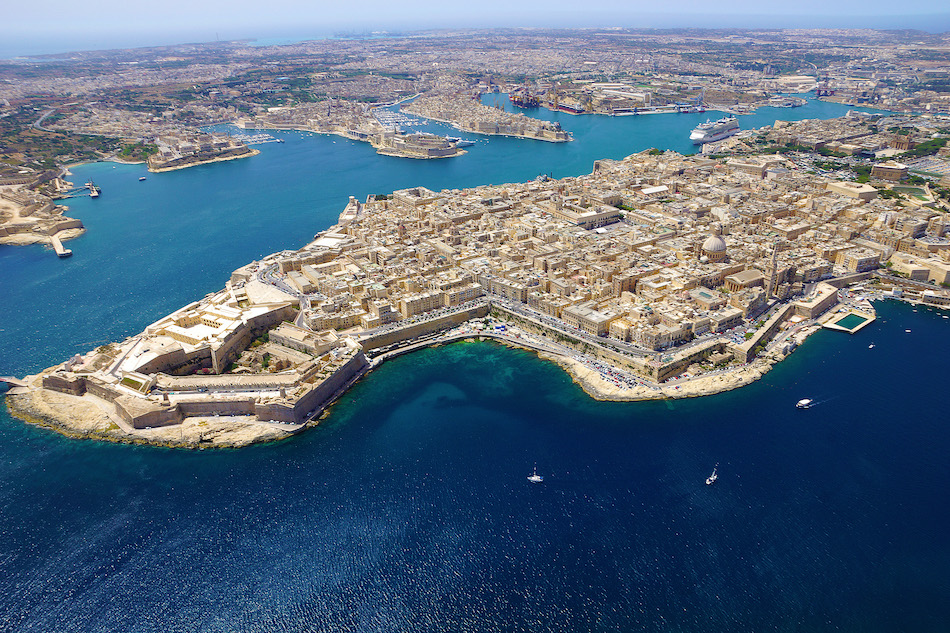
Malta has redefined the concept of residency-by-investment with a programme ...
previous arrow
next arrow
CEO INSIGHT-INVESTORS GUIDE 2025
CEO INSIGHT
cook islands finance
CEO INSIGHT

Hessen 2024: Poised for Prosperity

Hessen is gearing up for an economic upturn in 2024, with expectations to surpass the national growth average significantly. A recent forecast from Landesbank Hessen-Thüringen projects a robust 1.5% increase in the state’s gross domestic product (GDP), signaling a year of prosperity and expansion for the region. This anticipated growth underpins the resilience and dynamism of Hessen’s economy, even in the face of global economic uncertainties.

In the preceding months, Hessen has already demonstrated economic prowess, eclipsing national performance metrics. The financial sector, invigorated by a favorable interest rate environment, stands as a cornerstone of this economic upswing. Moreover, the region is abuzz with anticipation for the European Football Championship, poised to bring a surge in tourism and hospitality activities, further stimulating the local economy.

Hessen’s distinct industrial composition sets it apart on the national stage. The state is uniquely home to a bustling financial center, a global aviation hub, and a leading trade fair venue—all contributing to its economic vitality. The logistical prowess of the Frankfurt Junction, along with the strategic waterways of the Rhine and Main rivers, establishes Hessen as a critical trade and transport fulcrum in Europe, enhancing its export efficiency and connectivity.

Employment figures are equally promising, with Hessen nearing full employment, indicating a healthy and productive workforce.

The state’s industrial sectors, notably manufacturing, chemicals, pharmaceuticals, metals, and automotive, are significant economic contributors. A high export quotient, particularly pronounced in the chemical and pharmaceutical sectors, underscores the global competitiveness and demand for Hessen’s industrial outputs. Such economic indicators are not just reflective of the current state but are predictive of a continuing trend of industrial robustness and innovation.

Employment figures are equally promising, with Hessen nearing full employment, indicating a healthy and productive workforce. The state’s economic strategy, characterized by prudent fiscal management and below-average debt levels, assures a stable and conducive environment for business and investment, further bolstering its economic outlook.

Drilling down into specific growth industries, Hessen’s pharmaceutical and chemical sectors remain at the forefront, driven by continuous innovation and a strong export market. Financial services, particularly in Frankfurt, are expected to see sustained growth, backed by the city’s international reputation as a financial epicenter. The burgeoning field of information and communication technology also stands out, leveraging Hessen’s advanced infrastructure and skilled talent pool. Moreover, the automotive industry is navigating a transformative era, with a significant pivot towards electric vehicles and sustainable technologies.

Hessen’s strategic industry mix, geographical advantages, and sound fiscal health are key narratives in its economic story for 2024. The state is not merely on a path to maintain its economic momentum; it is strategically positioned to explore new growth avenues and set standards in regional economic development. As the world watches, Hessen is preparing to turn economic forecasts into tangible prosperity, ensuring its place as a leader in innovation, stability, and growth within Germany and on the international stage.

Special Economic Zones Are Reshaping The World Economy

SEZs are business parks granted legal autonomy to improve their governance. Companies operating within SEZs enjoy unique tax breaks, streamlined government regulations, special VISA rights and different labor laws. This enables businesses to operate in emerging markets without the usual problems that businesses in the developed world face.

Understandably, SEZs have become increasingly popular among emerging market investors. In 1979, there were 200 SEZs. Now, there are more than 12,000. Governments are spending ever-larger amounts of money on SEZs in an attempt to cash in – the Saudi Arabian sovereign wealth fund plans to invest $500 billion USD in NEOM, a planned city-sized SEZ. China plans on spending $2 trillion USD on its Belt and Road Initiative, which includes several hundred overseas SEZs.

When SEZs work, they produce economic miracles. They played a major role in the rise of international cities such as Shenzhen and Dubai;

SEZs have also rehabilitated traditionally bad investment destinations, creating bastions of economic growth in unlikely locations. The most well-known case studies of this come from China. During the 1980s, the Chinese government adopted free market reforms in 14 coastal city-scale SEZs. These cities became hotbeds of foreign direct investment. The most famous SEZs in China were Shanghai’s Pudong District, the city of Shenzhen, and the Suzhou Industrial Park. Later, when they rejoined China, Hong Kong and Macau also became SEZs.

Less famously, Colombia similarly used SEZs to reinvent its economy. China took a “bigger is better approach,” designating entire cities as SEZs. Colombia, on the other hand, had a “smaller is beautiful” approach, instead focusing on lean private sector business parks. After decades of civil war, Colombia needed to re-invent its economy. In 1994, Colombia passed legislation that allowed qualifying property owners to designate properties as SEZs. Businesses in the SEZs enjoyed significant tax breaks, streamlined import / export regulations, and exemptions from many burdensome government business regulations. Now, SEZs account for 35% of Colombia’s foreign direct investment. The companies that manage Colombia’s SEZs have become some of the most profitable businesses in Colombia.

Even North Korea is starting to implement SEZs to revitalize its economy. There, South Korean companies in Pyongyang’s economic zone generate more than $2 billion USD in economic activity per year in North Korea, and pay significantly higher wages than the rest of the country. South Korean economists surmise that North Korean SEZs are a critical part of the continued survival of the regime.

We can’t be sure whether SEZs in unlikely destinations like North Korea will be successful. Most attempts at creating SEZs fail. Empty industrial parks in countries such as South Africa, Nepal, and Serbia can all attest to this.

However, when SEZs work, they produce economic miracles. They played a major role in the rise of international cities such as Shenzhen and Dubai; but there are also many less well known success stories. Volkswagen’s self driving car factory in Rwanda, Coca Cola’s bottling plant in Cambodia, or the Philippine zones which produced masks and ventilators during the pandemic are all small victories for the idea of SEZs. It should come at no surprise that top Silicon Valley investors are scrambling to create funds to invest in SEZs.

Malta is Open

When it comes to business, we live in a global village, but the shifting sands of geopolitical interest do not always recognise this. Political alliances and trading blocs – while designed to protect and benefit those within the clubs – also inevitably serve to put up barriers.

In the investment migration arena, blanket restrictions on free movement of peoples can deny many forward-thinking ambitious jurisdictions the opportunity to draw in talent and innovation into priority areas, since they are bound by a forcefield of red tape over which they exercise little control. It also prevents well-meaning entrepreneurial-minded folk disadvantaged by an accident of birth from setting up shop in a business-friendly location.

Boasting excellent international air links to major commercial centres, this small but mighty country punches well above its weight

Read More

NEOM: Pioneering the Future of Sustainable Megacities

In a rapidly changing world, innovative projects are arising to redefine our conception of urban living and development. NEOM, a visionary initiative, is at the forefront of this transformation. Nestled within the Kingdom of Saudi Arabia, NEOM is a pioneering megacity project that is making waves in the global investment landscape. Designed to be a hub of innovation, sustainability, and prosperity, NEOM is an ambitious endeavour that promises to reshape the future of city living and captivate the imagination of global investors.

A Visionary Project
NEOM is a ground-breaking project spearheaded by the Kingdom of Saudi Arabia, a nation with a rich history of transformation and innovation. This visionary endeavour aims to create a sustainable, technologically advanced, and economically diverse region that will serve as a blueprint for the cities of the future. NEOM’s overarching goal is to combine cutting-edge technology, renewable energy, and modern infrastructure with an unwavering commitment to environmental preservation and social well-being.

This pioneering project is poised to shape the future of urban development, offering a unique blend of innovation, sustainability, and economic opportunity.

Core Pillars of NEOM
NEOM’s approach is founded on three core pillars, each of which plays a pivotal role in its holistic vision:

Economic Prosperity: NEOM’s strategic location on the Red Sea and proximity to the Suez Canal and Europe positions it as a global trade and investment hub. This economic gateway, coupled with its free-market policies, is set to foster innovation and growth across various industries, including biotechnology, tourism, advanced manufacturing, and more.

Sustainability: NEOM is committed to sustainability like few other projects of its magnitude. It aims to be powered entirely by renewable energy, predominantly through solar and wind sources. The city is designed with sustainable urban planning, carbon neutrality, and minimal ecological impact at its core. A model for the sustainable cities of the future, NEOM is dedicated to preserving its unique environment and the Red Sea’s marine life.

Quality of Life: NEOM places a strong emphasis on creating a vibrant and inclusive community that nurtures innovation and creativity. Residents and investors can look forward to world-class healthcare, education, and leisure facilities, all while enjoying the cultural and natural riches of the region. NEOM is not just a city; it’s a way of life, deeply rooted in a work-play balance.

Investment Opportunities in NEOM
For global investors, NEOM is an intriguing prospect. The project offers a range of investment opportunities that span numerous sectors:

Technology and Innovation: NEOM is committed to becoming a global tech innovation hub. Investors interested in emerging technologies, from artificial intelligence to biotechnology, will find a fertile ground for investment and collaboration. The city plans to foster research and development with state-of-the-art facilities and a supportive environment.

Renewable Energy: With a strong focus on renewable energy, NEOM presents an ideal destination for investments in solar and wind power. As a city aiming for complete reliance on clean energy, there will be a high demand for expertise, technology, and infrastructure in the renewable energy sector.

Tourism and Hospitality: As NEOM develops into a world-class destination, the tourism and hospitality industry is set to flourish. Investors in this sector can explore opportunities in luxury resorts, sustainable eco-tourism, and cultural experiences that leverage the city’s unique environment and heritage.

Real Estate and Infrastructure: The development of NEOM requires extensive infrastructure and real estate development. Investors in construction, urban planning, and property development will discover a wealth of opportunities in the building of this futuristic city.

Agriculture and Food Security: NEOM is committed to securing its food supply through innovative agricultural methods. Investors in agriculture technology, sustainable farming, and food security solutions can participate in the city’s endeavours to address this critical global challenge.

A Destination for Visionary Investors
NEOM’s global impact and significance are undeniable. This pioneering project is poised to shape the future of urban development, offering a unique blend of innovation, sustainability, and economic opportunity. As the project progresses and transforms into a thriving metropolis, global investors who get involved early will reap the benefits of this innovative approach to city building.

NEOM is more than just another city; it’s a testament to the possibilities of what can be achieved when visionary thinking is combined with sustainable practices. In a world where the need for sustainable, smart cities has never been more pressing, NEOM stands as a beacon of hope and promise, offering a wealth of opportunities for investors who share its vision for a brighter, more sustainable future. This megacity project will continue to captivate the attention of global investors as it embarks on its journey to redefine the concept of urban living.